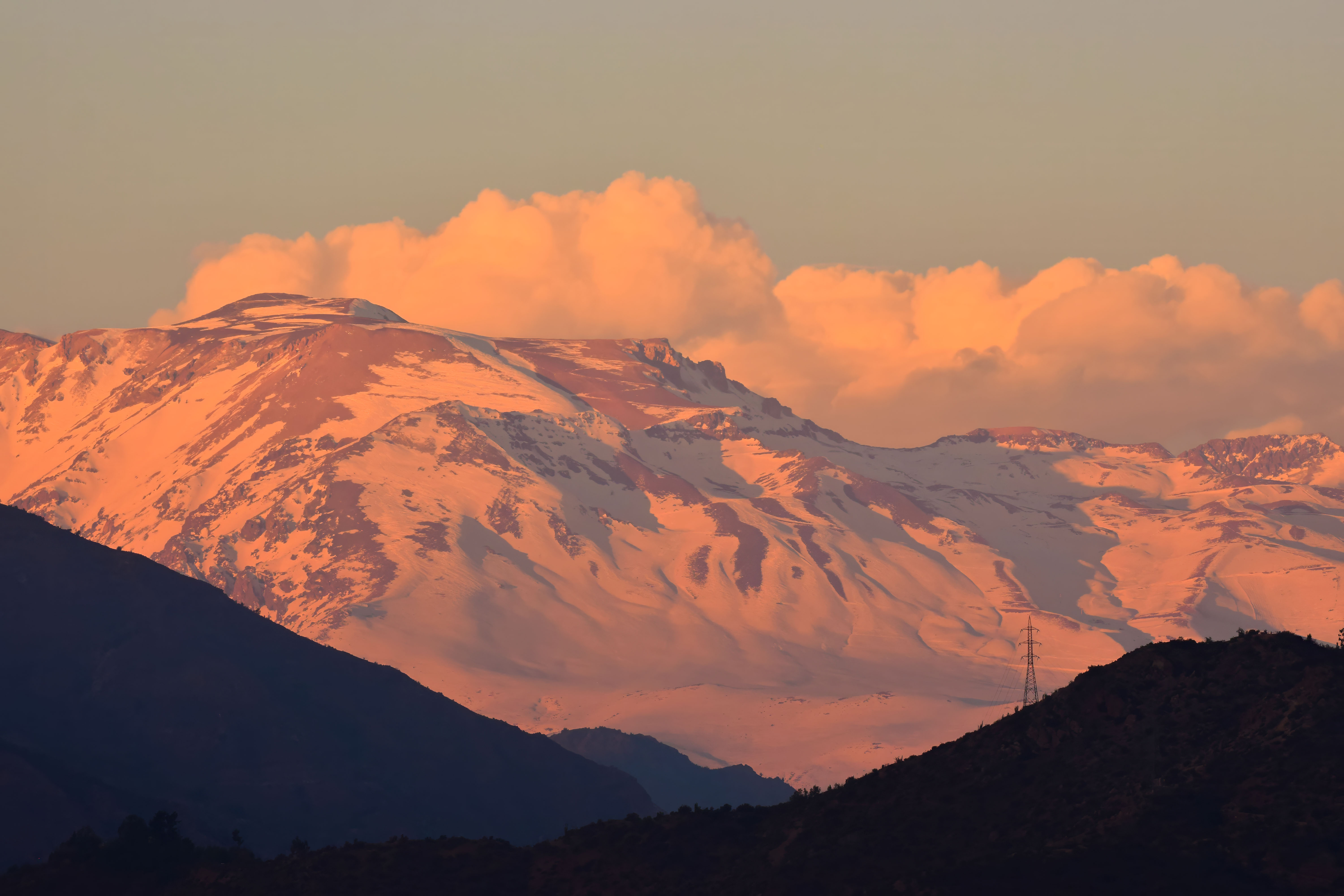
Chilean Memories #9: Snowy Sunset
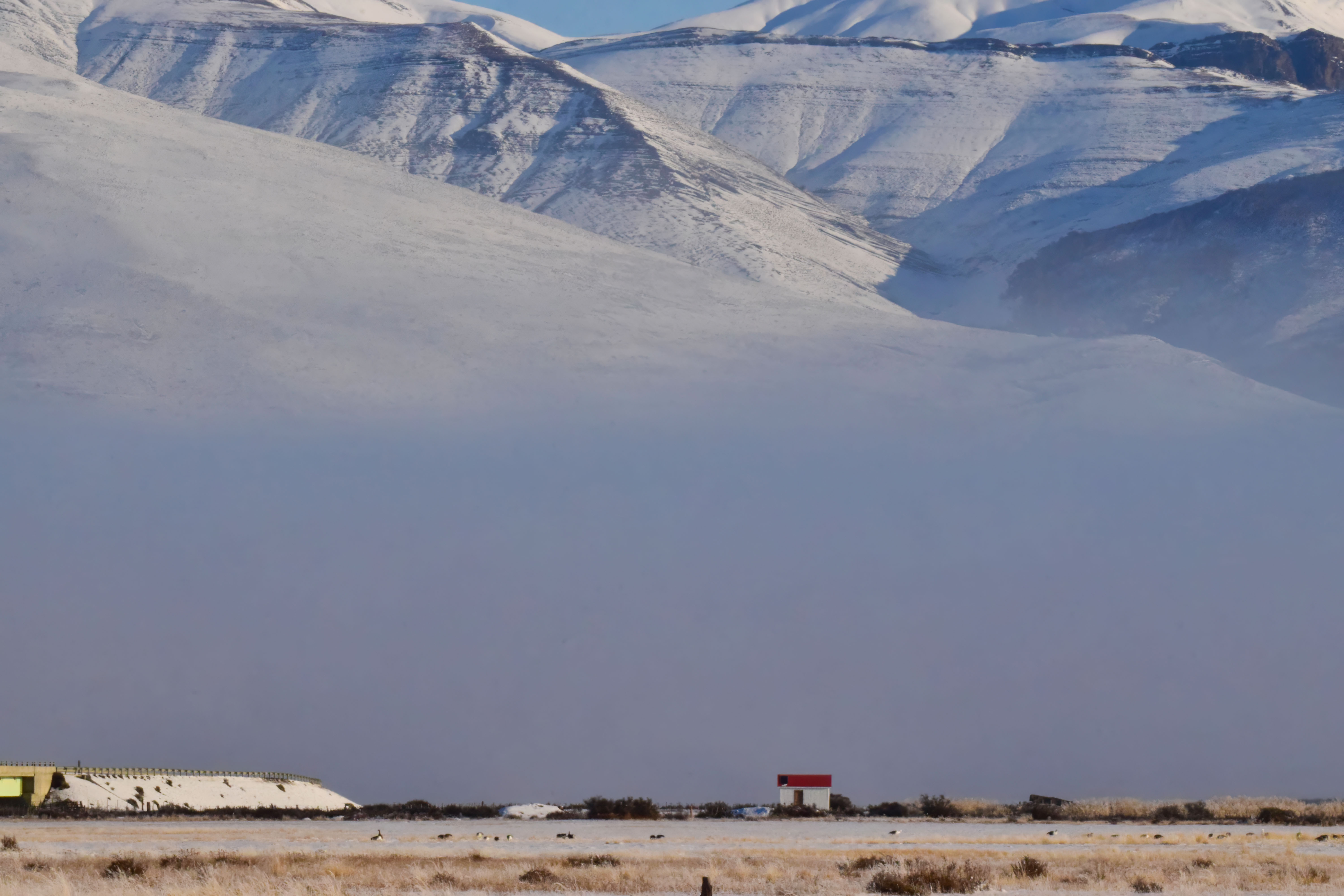
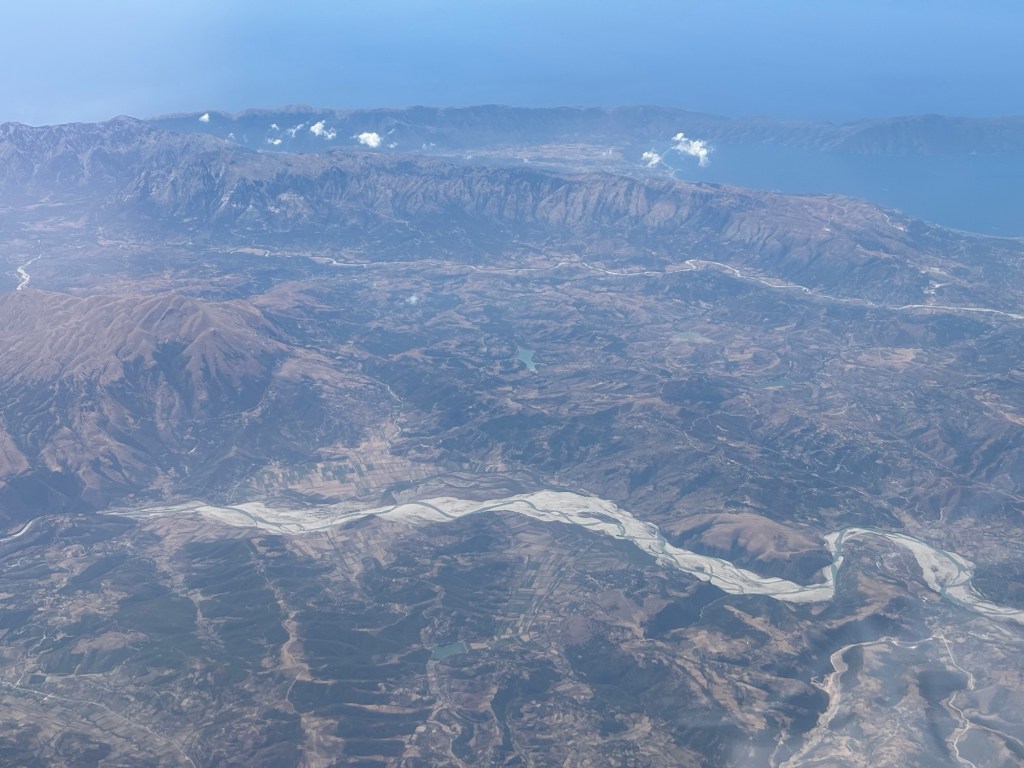
Flight EZY2804 to Bristol, Somewhere over Greece. 13.08.
Inch by inch, mile by mile, the wild ride of the summer of ’26 is drawing to a close. Outside it’s approaching the high 30s again, but the fierce heatwave that has held the British Isles in its grip all summer is being swept away by the first cool winds of autumn. Over the last two months I’ve seen it all: scorching heat, howling blizzards, thunder, rain and snow; mist, fog and diamond dust. It seems only right that as my life settles back into some kind of order, the weather should follow suit.
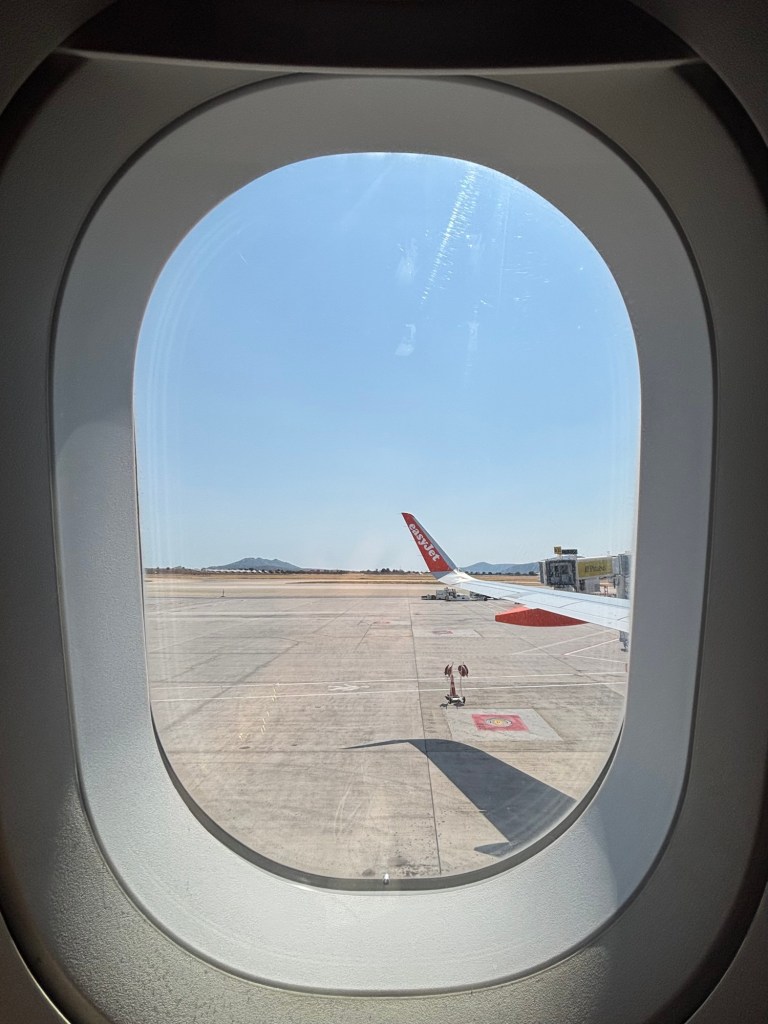
It took just shy of two hours to get from the apartment to Eleftherios Airport, but I did add to the commute by walking to Syntagma Station via the National Garden. I didn’t want my last memory of Athens to be the air-conditioned carriage of the underground, and I needed a wake-up. A steady drip on the plastic roof over the patio beside the bedroom kept me up late last night, until I used a bit of science and drowned it out with a rain track, after which I fell asleep in seconds. Fun fact: the constant change from sound to silence in a steady leak triggers the body’s defence mechanisms, anticipating a threat for as long as the sounds continue to change. White noise, on the other hand, is far less threatening, no matter the volume. The signal wasn’t superb, so thank goodness somebody thought to upload several hours’ worth of rain recordings to Spotify – I wouldn’t have cared much for a YouTube ad waking me up every five minutes.
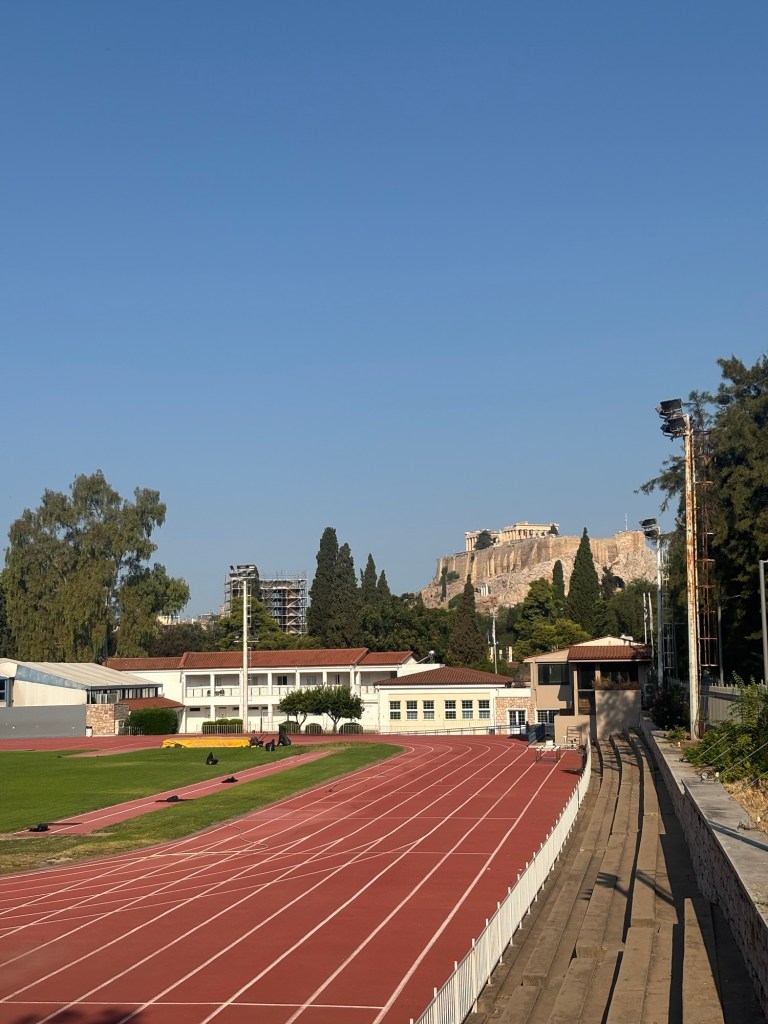
August is nearly over. Just over a week of summer remains – but it’s certainly been a summer to remember. I’m not sure I deserve even half of the miracles I’ve had the good fortune to witness since I stepped out of the door back in July with a backpack, a suitcase full of winter clothes and a smart new wedding suit – but I’m grateful for every single one of them.
It’s very easy to hit thirty-two and look around at your world with a rising sense of anxiety as everyone marries off and starts to lay down roots. Find them while you’re young, they say – and yet here you are, single and rootless. When will it be my turn, you catch yourself asking. But I think I’ve cracked it. The question you should be asking yourself is very different. Would the child I was look at me now and take heart?
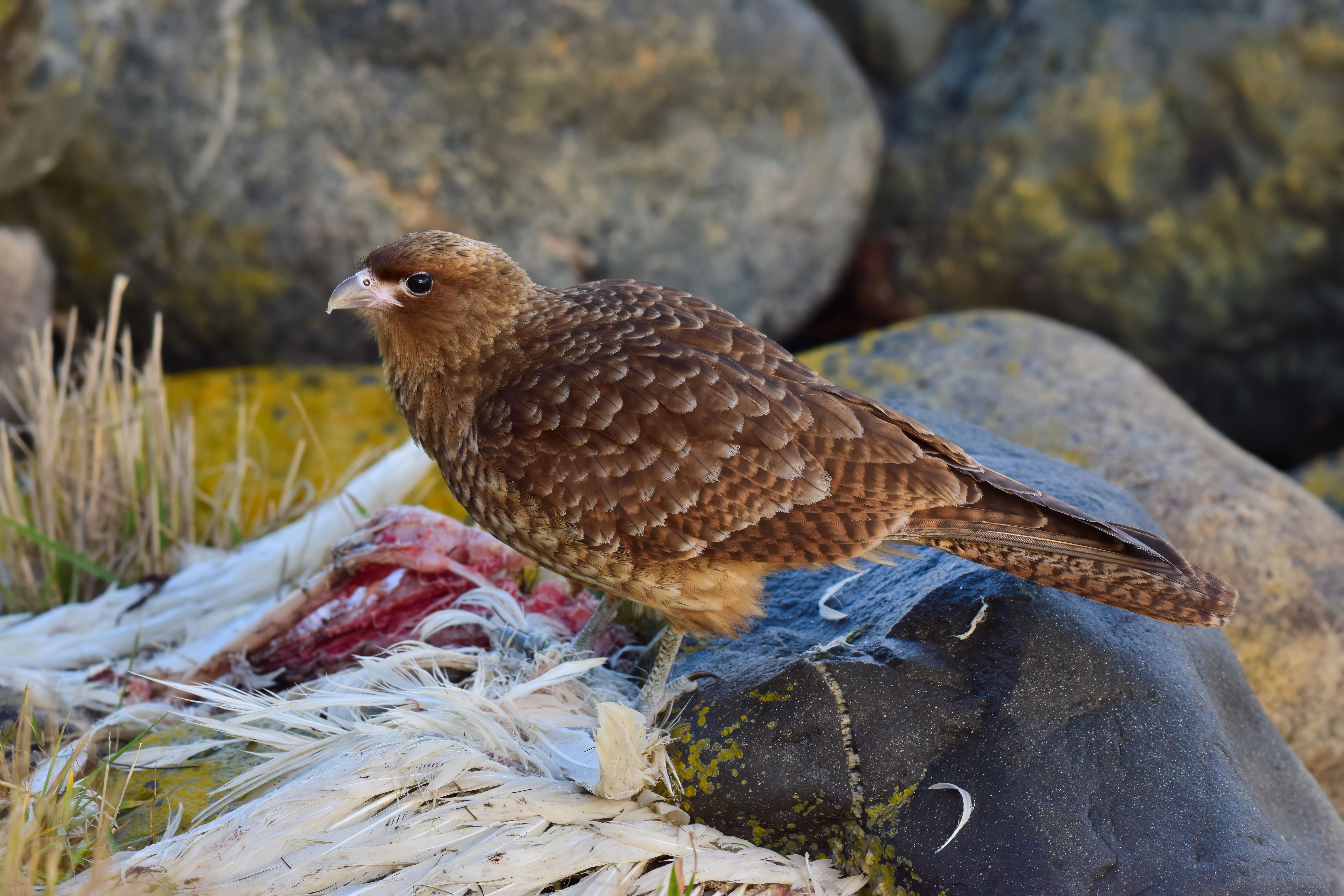
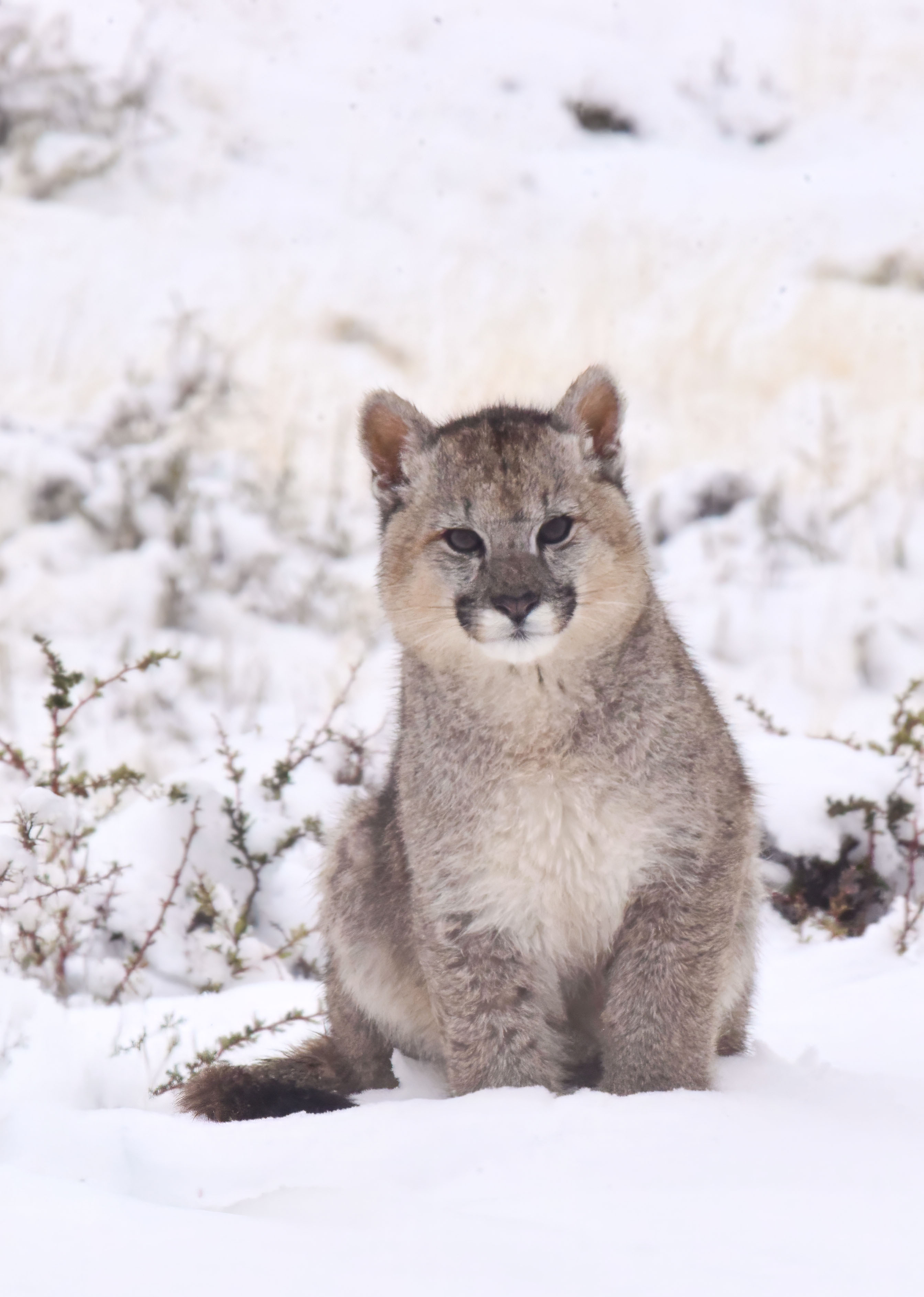
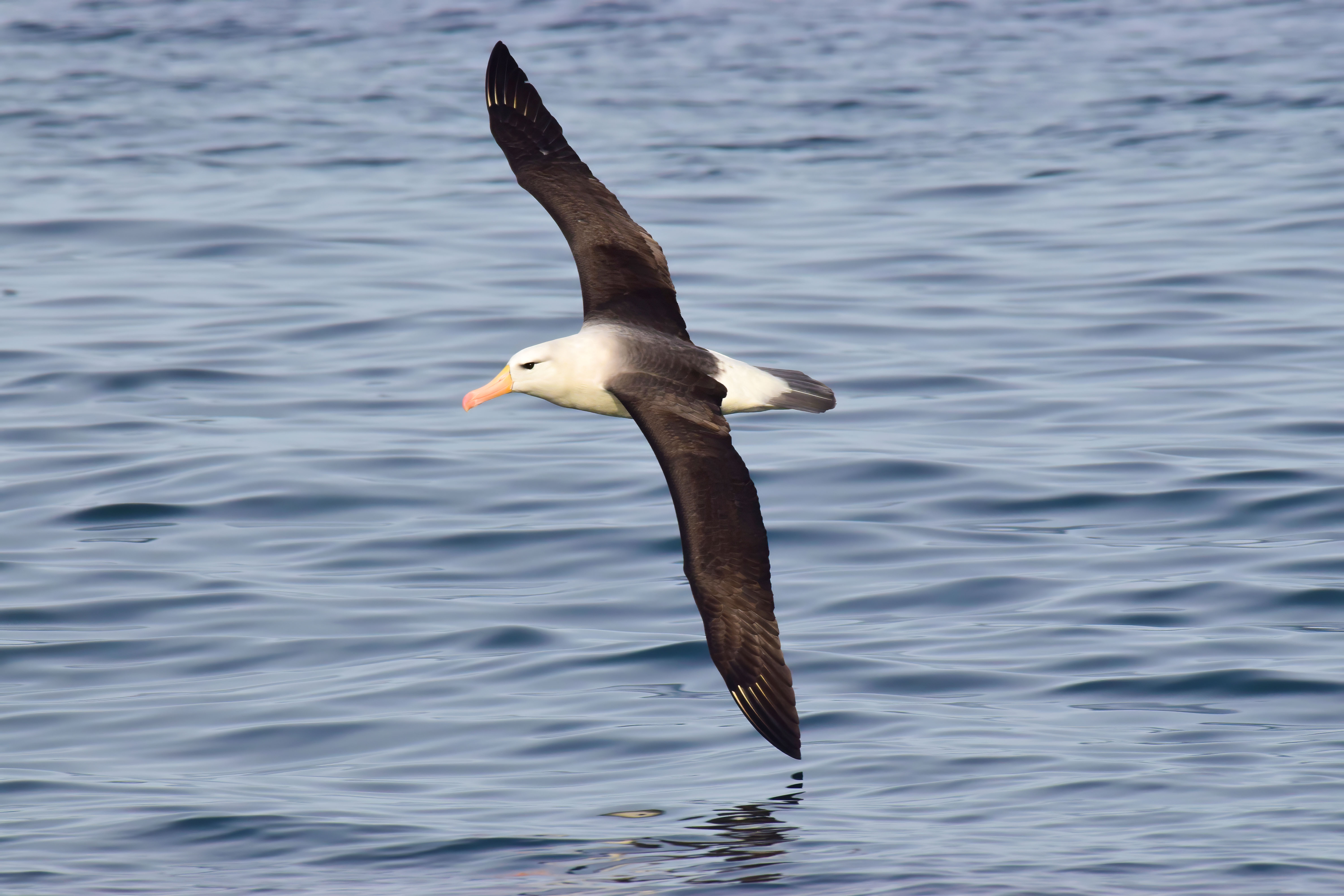
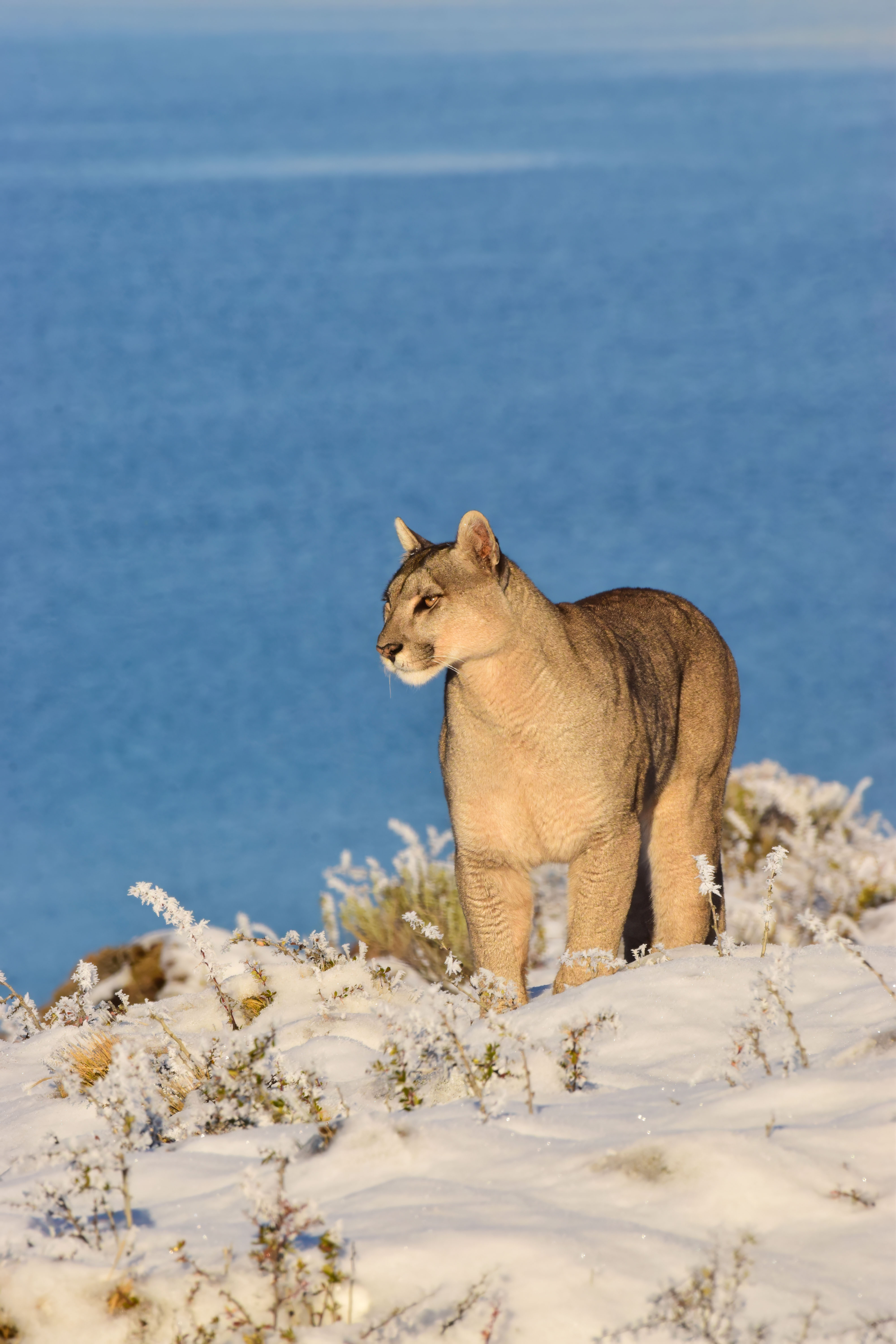
I think he would. I haven’t found Her, but I have found my way back to the thing that made me happiest: the wild. If the eight-year-old me knew that in my thirties I’d be traveling the world in search of pumas, albatrosses and giant tortoises, I think he’d be ecstatic. Nobody could ever dream of replacing Sir David Attenborough or Valmik Thapir (or any of the great wildlife presenters of my childhood) but the fact that I get to live in the world they showed me when I was just a boy is the greatest gift of all.

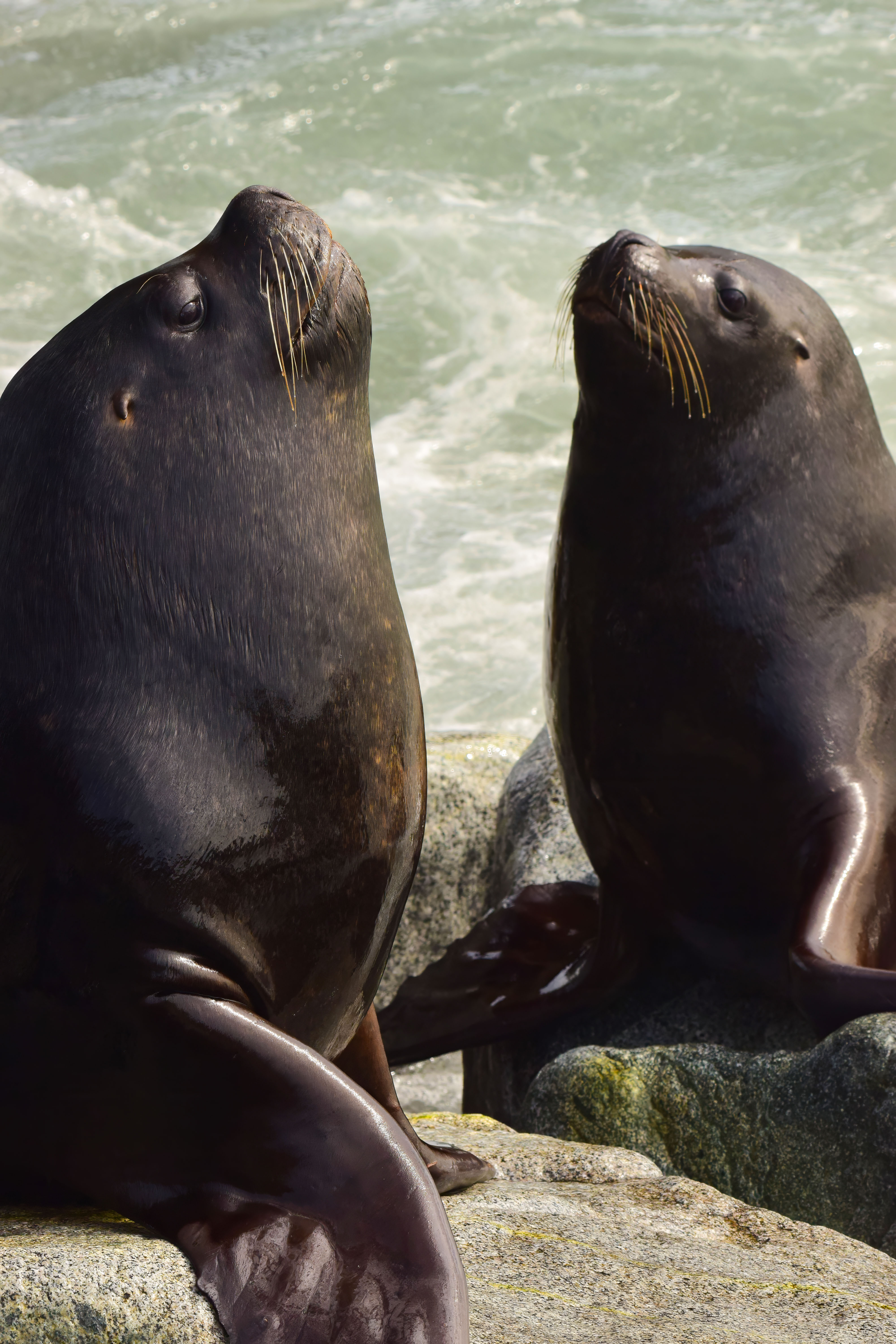
What was the highlight of the summer? It’s such a difficult question. Dancing with Alex and Elena at their wedding? Teaching my first ever English Literature class? Celebrating Spain’s victory over Argentina in the World Cup Final? Swimming with turtles, sailing with albatrosses or watching a fully-grown mountain lion tread through the snow just feet away? Every one of them has been written upon my heart, which is now so very full. I thought my happiness was conditional upon finding my other half, wherever She may be, but this year I’ve learned to find it in myself by allowing me to be me, the way I always wanted to be.
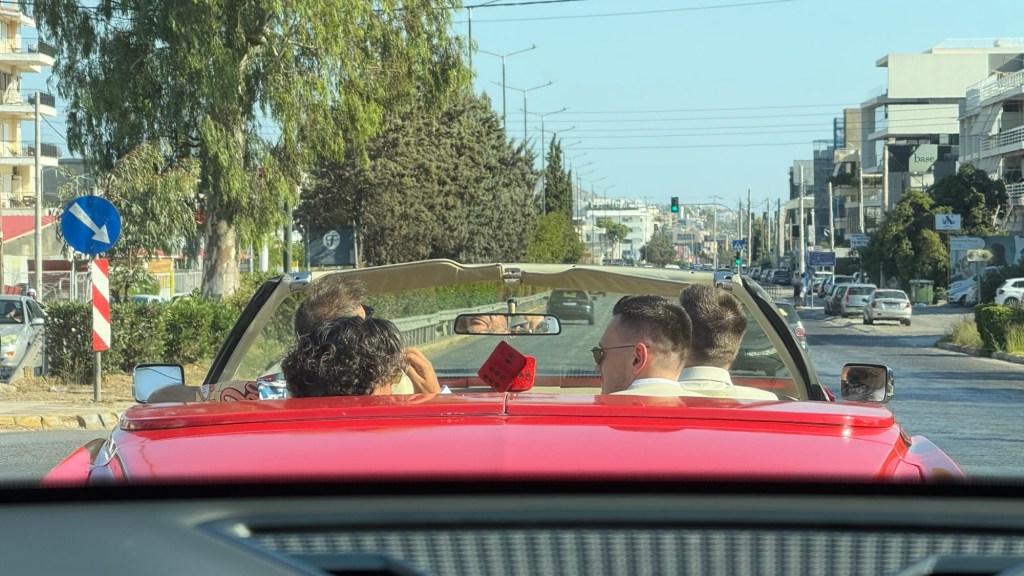
September is always a bumpy landing. September brings Inset, the annual safeguarding talk that makes me question whether I believe in this job, and the return of a fresh-faced generation of students that remind me that I’m in the best line of work in the world. September will be familiar – I know what to expect – but this time, something feels different. I don’t think I’ve ever gone into the start of a new school year quite so positive. I just have a feeling that, finally, things are going my way.
Oh, for sure. There will be trials ahead. There always are. But I know I can face them head-on as a man, supercharged by a summer of light and life and animal encounters.
In many ways, I haven’t changed since I was eight. I’m still writing the same book about a a brave hero and a red-haired princess. I’m still listening to Juan Martín and Michael Jackson. I’m still singing in school choirs, dancing with every fibre of my being when the beat comes on and playing a passable passage on the violin when the occasion demands. I’ve added a few languages to my roster since then, changed my look a few times, and loved and lost and learned to live again – but fundamentally I still hold true to the same values I built up as a kid. Teaching has allowed me to hold onto these things, and for that much I am truly grateful.
England welcomed me home with golden fields and petty public transport pencil-pushers. The bus driver from Bristol wouldn’t let a girl on the bus because she didn’t have the right ticket and wasn’t helpful at all when she looked distressed, there being few other buses around on a Sunday afternoon. Three of us got up to help her out but the man in front got there first and bought her a single ticket. On top of that, I arrived just in time to catch an earlier train, but the man at the ticket barrier at Bristol Temple Meads wouldn’t let me through on account of the fact that my ticket was for an hour’s time – “you don’t need to be on the platform yet”. With two thirds of the southbound services cancelled, he was probably trying to stop me from using my Advance Single ticket on board an earlier train where there would almost certainly be no ticket checks… but really. I’m out of the country for nearly two months and the most trouble I have with public transport is back to back on the day I get home…? If there’s one thing I can’t stand it’s jobs-worthiness, and we English are especially bad at it. When I manage to escape this country, that kind of behaviour will be top of the list of the reasons that drove me away.
Anyway. I’m home, in the familiar comfort of my flat, and July Me had the common sense to stock up so I’d have something to eat when I returned in case the supermarkets were closed – which, being a Sunday afternoon, they inevitably are. Just occasionally I surprise myself by planning ahead.
Here ends the Great Adventure of 2026. It’s been a blast. To those of you who have been reading my adventures, known and unknown, thank you for coming along for the ride! It’s nice to know I’m not always speaking into the void. I’ll write a little less when term kicks off, but do stick around for the next adventure – whenever that may be! BB x
Notes, field guides and micro-memoirs
A Solo Travel and Literature Blog
All about trees
Travel |Food| Photography
A glimpse of the world through my lens
Synastry & Karmic Astrology
A Journey of Travels, Teachings, and Truths Told Plainly
Musings of a trekking author
Inspiration and Spirituality **Award Free**
Illustrations to make you smile, laugh, and sometimes make you see things from a different perspective 😉
a woman with wings travelling the world solo

